Songbird

Songbird

“Songbird” – Exploring the Vocal Soul of the Violin

April 2023
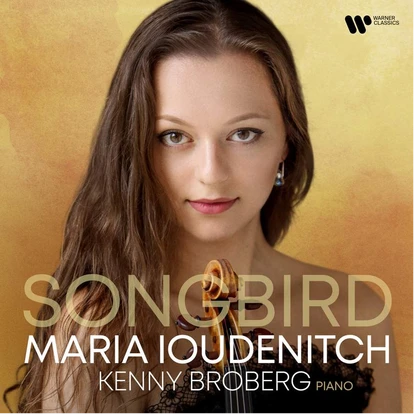
Maria Ioudenitch, the talented winner of the Joseph Joachim International Violin Competition in 2021, makes a remarkable debut with her album “Songbird.” Collaborating with pianist Kenny Broberg and soprano Theresa Pilsl, Ioudenitch’s violin performance is marked by its captivating vocal quality, reminiscent of a bygone era. This collection, released under Warner Classics, offers a tastefully curated assortment of 19th- and 20th-century pieces, showcasing Ioudenitch’s expressive musicianship and Broberg’s nuanced accompaniment.

The album’s opening sets the tone with Schubert’s Fantasie in C, D934. Ioudenitch’s rich and resonant tone immediately draws listeners into a world of intricate melodies and emotional depth. Her instrument, a 1691 Guarneri, contributes to the album’s warm and enveloping sonic palette, amplified by the resonant acoustic of the recording space. Broberg’s sensitive piano playing complements Ioudenitch’s violin beautifully, forming a harmonious partnership that underpins the entire recording.

Throughout “Songbird,” Ioudenitch’s approach is both technically adept and emotionally engaging. She skillfully captures the essence of vocal expression, a hallmark of her inspiration from the human voice. The inclusion of transcribed songs allows her to explore a wide spectrum of emotions. In Rachmaninov’s “Don’t sing, my beauty, for me,” Ioudenitch masterfully conveys the piece’s melancholic longing and impassioned intensity. Fanny Mendelssohn’s “Erwin” sees Ioudenitch’s violin become a voice of its own, as if engaged in a lyrical conversation.

The album’s diverse selection ranges from the familiar to the lesser-known. Notably, Nadia Boulanger’s “Soleils couchants” adds a delightful touch of rarity to the program. The inclusion of Clara and Robert Schumann’s Romances and Amy Beach’s pieces without words offer glimpses into different compositional styles and cultural influences.

Ioudenitch’s interpretation of Medtner’s works demonstrates her ability to infuse violin and piano pieces with a sense of collaborative dialogue, rather than a mere accompaniment. This approach is most striking in the more substantial centerpiece, Schubert’s four-movement Fantasie in C. Here, Ioudenitch and Broberg navigate the piece’s complex structure with intelligence and artistic sensitivity.

The album’s titular track, Glinka’s “L’Alouette (The Lark),” showcases Ioudenitch’s ability to evoke avian melodies and virtuosic passages, demonstrating her versatility as a “songbird” of the violin. As a captivating conclusion, the album culminates in Strauss’s “Morgen,” where Ioudenitch’s violin seamlessly intertwines with Theresa Pilsl’s radiant soprano, illuminating the inherent vocal qualities of the instrument.

In “Songbird,” Maria Ioudenitch, along with her accomplished collaborators, offers a unique and compelling musical journey. Her violin sings with eloquence, capturing the essence of the human voice and inviting listeners to immerse themselves in a world of evocative melodies and profound emotions. This debut album showcases Ioudenitch’s promising artistry and bodes well for her future endeavors in the world of classical music.

Spirits

Spirits

Lozakovich’s Ethereal Encounters on “Spirits”

April 2023
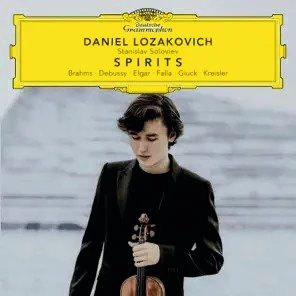
Daniel Lozakovich, a rising star in the world of classical violin, has once again graced us with a digital-only recital album that pays homage to some of the most remarkable interpreters of the violin in recent centuries. Released under the prestigious Deutsche Grammophon label, “Spirits” is a captivating journey through time, skillfully bridging the past with the present.

Lozakovich’s innovative approach to “Spirits” unveils a bridge between generations, with each track an evocative homage to legendary violinists who have left their mark on musical history. This album isn’t just a collection of pieces; it’s a profound tribute to the very essence of these past masters, reimagined through Lozakovich’s distinct lens.

In the haunting strains of Debussy’s “Clair de lune,” Lozakovich conjures the spirit of David Oistrakh, whose silk-spun sound is woven into every note. His violin sings with an expressive sweetness, while his nuanced phrasing transports us to a bygone era.

Jascha Heifetz’s electrifying presence is channeled through Lozakovich’s bow in Gluck’s “Mélodie” from “Orfeo ed Euridice.” The fiery, biting zest of Heifetz reverberates through every stroke, commanding attention and infusing the piece with a passionate energy.

Elgar’s “La Capricieuse” resonates with the soulful depth associated with Josef Hassid, and Lozakovich captures this emotive essence effortlessly. His violin seems to sigh and sing, weaving a tapestry of emotion that pays homage to Hassid’s artistry while imbuing it with his own distinct hues.

While “Spirits” is a captivating tribute, it also showcases Lozakovich’s artistic versatility. In Falla’s “Danse espagnole No. 1,” his playing is bold and vivacious, offering a delightful departure from his more introspective moments. Brahms’s Hungarian Dances (Nos 2 and 6) reveal a carefully controlled interpretation, allowing the listener to revel in the intricate textures of the music.

Kreisler’s “Liebesleid” is a mesmerizing highlight, where Lozakovich channels the essence of the violinist-composer’s rubato technique. The piece unfolds with graceful ebbs and flows, captivating the listener with its simplicity and elegance.

The album’s impeccable production quality is a testament to the artistry involved. Lozakovich’s performance was captured within the hallowed halls of the Louis Vuitton Foundation’s museum and cultural center in Paris, utilizing a 1727 Stradivarius. The result is a sound that envelops the listener, allowing them to be fully immersed in the world of “Spirits.”

In “Spirits,” Daniel Lozakovich embarks on a journey through time, capturing the essence of revered violinists and infusing their spirits into his own interpretations. This album is a resounding testament to the enduring power of music—a reminder that the past is alive and resonant in the hands of a gifted musician. “Spirits” beckons listeners to surrender to its evocative embrace and experience the magic of transcending eras through sound.

Femmes

Femmes

Femmes – A Thoughtful Exploration of Female Composers

March 2023
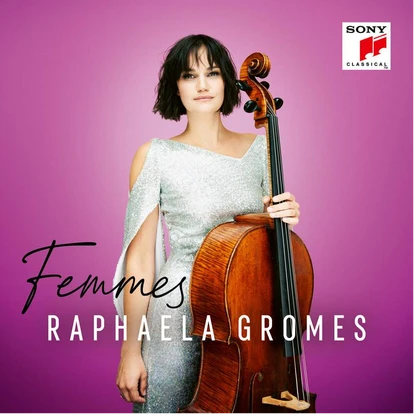
The album “Femmes” is a commendable attempt to shine a spotlight on the works of 23 female composers, spanning a diverse range of musical periods and styles. Led by cellist Raphaela Gromes, pianist Julian Riem, and the Festival Strings Lucerne under the direction of Daniel Dodds, the performances are characterized by vivacity and technical finesse. However, despite its well-intentioned endeavor, the album falls somewhat short of its aspirations, inadvertently reinforcing rather than dispelling the notion that female composers produced primarily lightweight and inconsequential compositions.

While the album includes pieces by notable female composers such as Hildegard, Lili Boulanger, and Clara Schumann, as well as unexpected names like Mozart and Purcell, the selection leans toward shorter, less substantial works. This choice inadvertently undermines the depth and ingenuity that these composers were capable of, overshadowing their larger and more impactful compositions. The presence of Georges Bizet’s Carmen Fantasy as the longest single work on the album further contributes to the irony of the situation, as it undermines the primary objective of showcasing female compositional prowess.

The strength of the album lies in its execution of delicate nocturnes by composers like Lili Boulanger, Cécile Chaminade, and Henriëtte Bosmans. These miniature gems offer moments of delight, albeit without fully revealing the potential of the featured composers. Notably absent are more significant works that would have better showcased the depth and creativity of composers like Luise Adolpha Le Beau and Grazyna Bacewicz, who are recognized for their groundbreaking contributions to the world of classical music.

Unfortunately, the album misses the opportunity to include larger, more intricate compositions that would challenge the prevailing narrative of female composers producing only fleeting and superficial pieces. In doing so, it inadvertently reinforces the very stereotype it seeks to challenge. The omission of substantial works by contemporary composers like Elisabeth Maconchy, Kaija Saariaho, and Dobrinka Tabakova is a puzzling oversight, one that could have elevated the album to a new level of artistic and intellectual exploration.

Despite these shortcomings, the performances on “Femmes” are marked by Raphaela Gromes’s effervescent playing style, capturing the spirit of the compositions with enthusiasm and skill. Julian Riem’s piano work complements Gromes’s cello beautifully, and the collaboration with Festival Strings Lucerne is consistently engaging and dynamic.

“Femmes” is a well-intentioned album that sets out to celebrate the works of female composers throughout history. While the performances are executed with finesse and passion, the album’s focus on shorter, less substantial pieces inadvertently undermines its noble goal. By excluding more substantial and innovative compositions, the album falls short of fully challenging the historical narrative it seeks to address. As a result, “Femmes” remains a missed opportunity to truly showcase the exceptional contributions of female composers and their lasting impact on classical music.

Nuits Parisiennes

Nuits Parisiennes

“Nuits Parisiennes: An Enchanting Soirée of French Musical Elegance”

March 2023
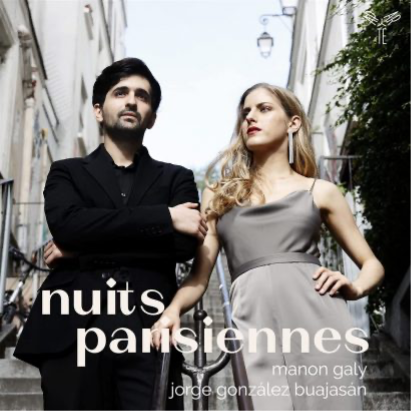
In an enchanting display of musical finesse, violinist Manon Galy and pianist Jorge Gonzalez Buajasan transport us to the vibrant streets of early 20th-century Paris with their stunning debut duo recording, “Nuits Parisiennes.” The album delves deep into the heart of French music, presenting a mesmerizing collection of sonatas and other pieces by renowned composers like Debussy, Ravel, Poulenc, and Milhaud. Prepare to be enthralled as Galy and Buajasan take you on an auditory journey through the audacious and innovative world of French musical mastery.

“Beau Soir,” originally a vocal piece by Debussy but ingeniously reimagined for violin and piano by Heifetz, serves as the captivating opening track. Galy’s violin sings with soulful elegance, resonating perfectly with Buajasan’s refined piano accompaniment. From the first note, the duo establishes an exquisite atmosphere that lingers throughout the album.

The true gem of “Nuits Parisiennes” is undoubtedly Debussy’s “Sonate pour Violon et Piano.” This sonata is a reflection of the composer’s genius and revolutionized musical language. With Galy’s impeccable artistry and Buajasan’s exceptional pianism, the duo breathes life into Debussy’s evocative melodies, showcasing their profound understanding of the music’s intricacies.

Ravel’s “Pavane pour une Infante Défunte” follows suit, and the duo’s performance creates a mesmerizing dreamscape. The violin and piano converse eloquently, painting vivid images of grace and nostalgia. Ravel’s “Sonate Posthume pour Violon et Piano” is another masterpiece brought to life by Galy and Buajasan, as they skillfully navigate the work’s dynamic contrasts and profound emotions.

Poulenc’s “Presto,” arranged for violin and piano by Heifetz, adds a delightful flair to the album. Galy and Buajasan’s dynamic interpretation captures the piece’s playful spirit, leaving us with a delightful sense of joy and amusement.

Closing the remarkable journey is Poulenc’s “Sonate pour Violon et Piano.” The duo captures the essence of Poulenc’s musical language, effortlessly traversing through its intense lyricism and moments of vibrant jubilation. Galy’s violin sings with a warm and expressive tone, entwining beautifully with Buajasan’s sensitive and passionate piano accompaniment.

In “Nuits Parisiennes,” Galy and Buajasan demonstrate their extraordinary synergy and musical prowess, offering a profound homage to the audacious spirit of early 20th-century French music. Their interpretations transport us back to the heyday of Parisian artistry, where innovation and modernity thrived. The duo’s ability to connect with the soul of each composition is truly awe-inspiring, making this album a must-have for any classical music connoisseur. Their eloquent storytelling and emotional depth breathe new life into these timeless compositions, evoking the spirit of Paris during its golden age. This album deserves a prominent place in your collection, and it will undoubtedly leave you captivated by the magic of French music’s bygone era.

Lovesick

Lovesick

“Lovesick” – A Reverie of Seventeenth-Century Passion

March 2023
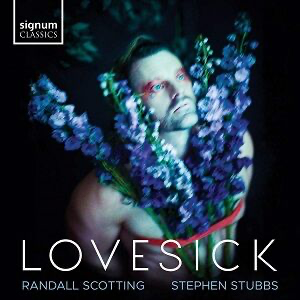
Randall Scotting (countertenor) and Stephen Stubbs (lute) unveil a mesmerizing recital that transcends time and emotion in “Lovesick.” This masterfully curated album takes listeners on a profound journey through rarely heard seventeenth-century songs, predominantly English with tantalizing exceptions. Scotting’s countertenor artistry and Stubbs’ lute virtuosity blend seamlessly to weave a tapestry of lovesickness that resonates with both heart and soul.

The accompanying booklet, adorned with vibrant insights, features essays penned by Scotting and the erudite Wendy Heller. Both contributions underscore the thematic core of lovesickness and its profound influence on music and the human experience. Heller’s discerning analysis illuminates the multifaceted repertoire, inviting listeners to traverse an emotional spectrum across the ages.

The program unveils treasures by renowned composers like Dowland and the Lawes brothers, who encapsulate lovesickness in their evocative creations. Traditional pieces, including the poignant Irish ballad “At the mid hour of the night,” enhance the album’s nostalgic charm. The inclusion of French compositions, notably by Moulinié, introduces a freer, more recitative-like style, while Italian selections by Cesti and the lesser-known Daniele da Castrovillari enrich the linguistic and emotional palette.

Henry Lawes’ compositions stand out as profound expressions of the heart’s yearnings. Scotting’s soaring countertenor, resplendent with beauty, brilliantly captures the essence of these pieces. Yet, the grandeur of his voice occasionally overwhelms the more contemplative songs, where subtlety is sought.

The lute accompaniment by Stephen Stubbs, a luminary in this repertoire, enchants with delicate precision. Stubbs claims moments in the spotlight with solo renditions like “Packington’s Round,” adroitly showcasing his mastery of the bass lute’s nuances.

The album’s accompanying booklet is a treasure trove, offering a sources list and presenting original language texts alongside their English translations. Scotting’s impeccable diction heightens the lyrical experience. A collection of poignant quotations, titled ‘Cure for Lovesickness through time,’ traces love’s tribulations through the ages, adding a layer of depth to the project’s immersion.

In summary, “Lovesick” isn’t merely an album; it’s a transcendent odyssey through the labyrinth of human emotions. Randall Scotting’s countertenor prowess, harmoniously entwined with Stephen Stubbs’ lute mastery, unveils a world where love’s rapture and anguish meld seamlessly with musical finesse. The album’s meticulous curation and thoughtful presentation elevate it beyond a mere recital, transforming it into an exploration of the human heart’s most intricate corners. “Lovesick” is an invitation to reflect on the timeless echoes of lovesickness that resonate through centuries and souls.

Arctic

Arctic

Eldbjørg Hemsing’s ‘Arctic’: A Musical Journey into Fragile Ecosystems

March 2023
Eldbjørg Hemsing’s latest release, ‘Arctic,’ is more than just an album; it’s a thought-provoking musical exploration that delves into the heart of the Arctic region, reflecting its beauty, vitality, and the urgent need for its preservation. With a combination of new compositions and reimagined classics, Hemsing takes listeners on a captivating journey through this remote and stunning landscape, all while highlighting the pressing issue of climate change.

Growing up near the Arctic Circle has deeply influenced Hemsing’s perspective on the region, and ‘Arctic’ serves as her heartfelt homage to the often misunderstood and underappreciated Arctic environment. The album is a poignant reminder that the Arctic is not a desolate wasteland, but a delicate ecosystem that plays an integral role in the health of our planet.

The album’s selection of pieces, ranging from the works of historical Norwegian composers like Ole Bull and Edvard Grieg to contemporary compositions by Jacob Shea and Frode Fjellheim, forms a diverse tapestry of musical expression. Hemsing’s masterful violin playing, accompanied by the Arctic Philharmonic Orchestra, brings these compositions to life with a rich and evocative sound.

One of the standout aspects of ‘Arctic’ is its ability to seamlessly blend traditional and modern elements. The incorporation of new arrangements by Ola Gjeilo, James Newton Howard, Selim Palmgren, Einojuhani Rautavaara, and Henning Sommerro demonstrates Hemsing’s commitment to pushing the boundaries of Nordic music. These arrangements provide a fresh perspective on the traditional melodies while maintaining a deep connection to the album’s overarching theme.

Hemsing’s connection to her heritage and her role as a protector of the fire (as her name suggests) are evident in every note she plays. Her passionate and virtuosic performances infuse the music with a sense of urgency and reverence for the Arctic landscape. The album’s recording in the remote Norwegian town of Bodø, surrounded by the very environment it seeks to celebrate, further enhances its authenticity.

Eldbjørg Hemsing’s achievements and contributions to the world of classical music are as remarkable as her talent. From performing for the Norwegian royal family at a tender age to co-founding the Hemsing Festival and leading mentoring programs, Hemsing is not only a skilled musician but also a visionary artist who strives to nurture the next generation of talent.

‘Arctic’ is not merely a collection of tracks; it’s a call to action. Through the power of music, Eldbjørg Hemsing invites us to pause, reflect, and engage with the environmental challenges facing our world. As the album’s melodies soar and intertwine, we are reminded of the interconnectedness of all living things and the responsibility we bear to safeguard our planet’s most precious ecosystems.

In a time where the effects of climate change are becoming increasingly evident, ‘Arctic’ stands as a poignant testament to the importance of preserving our natural world. Eldbjørg Hemsing’s dedication to her craft, her heritage, and the environment shines brightly in this exceptional release. ‘Arctic’ is a musical masterpiece that resonates deeply and serves as a beautiful and moving tribute to a region that deserves our utmost care and attention.

Khatia Buniatishvili

Khatia Buniatishvili

An Artistic Odyssey from Georgia to the Global Stage

Top Classical, March 2023
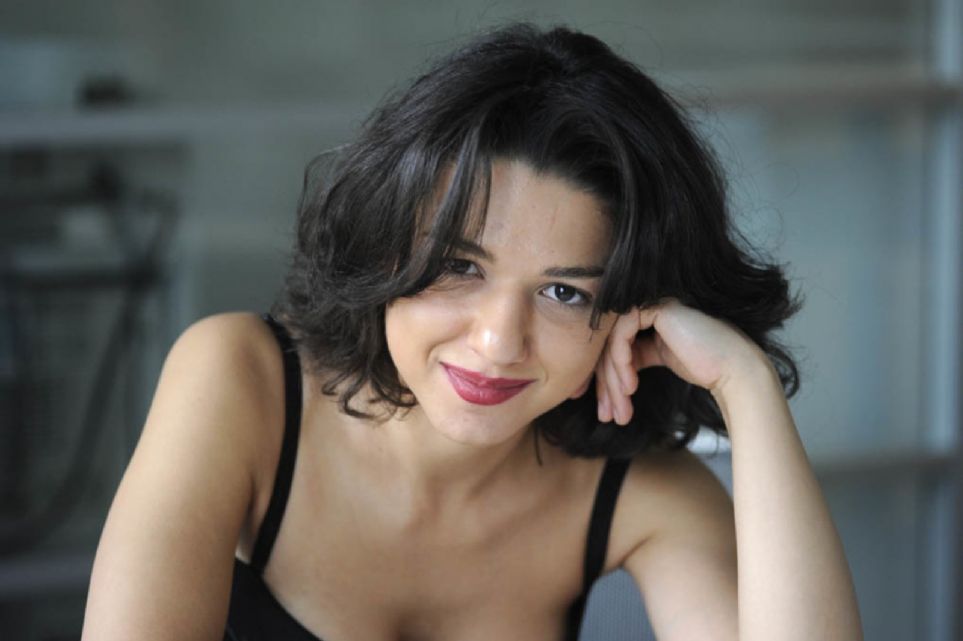
Khatia Buniatishvili’s journey from a childhood fascination with the piano in Georgia to international acclaim on some of the world’s most prestigious stages is a testament to her prodigious talent, uncompromising artistry, and humanitarian spirit. Heralded as a pianist who fearlessly blends tradition with innovation, Buniatishvili’s musical odyssey has been shaped by her exceptional education, unforgettable collaborations, and unwavering commitment to social causes.

Born in Georgia, Buniatishvili’s early introduction to the piano at the age of three set the stage for a lifelong love affair with music. Her first classical music performance with the Tbilisi Chamber Orchestra at the age of six marked the beginning of a remarkable trajectory. As she embarked on her musical journey, mentors like Tengiz Amirejibi and Oleg Maisenberg played a pivotal role in nurturing her talent and guiding her towards an artistic path that would challenge norms and captivate audiences worldwide.

Buniatishvili’s collaborations with eminent conductors and orchestras have solidified her reputation as a true virtuoso. From conducting luminaries like Zubin Mehta to orchestras such as the Los Angeles Philharmonic and London Symphony Orchestra, her performances have transcended mere music, becoming transformative experiences for audiences. Her ability to evoke a wide range of emotions through her playing, from the tenderest of expressions to the most exuberant flourishes, sets her apart as a musician of unparalleled depth.

The global stage has been Buniatishvili’s canvas, and she has painted it with her brilliance. Venues like Carnegie Hall, Walt Disney Concert Hall, and Royal Festival Hall have witnessed her extraordinary performances, leaving audiences spellbound. Her discography, including albums like “Franz Liszt,” “Motherland,” and “Kaleidoscope,” showcases her dedication to presenting diverse musical narratives while preserving the essence of each composition.

Buniatishvili’s artistic spirit is intrinsically tied to her humanitarian pursuits. Her involvement in projects like the “To Russia with Love” concert and the United Nations’ 70th Anniversary Humanitarian Concert underscores her commitment to using her music as a catalyst for social change. In a world where music can bridge divides and heal wounds, Buniatishvili’s advocacy aligns perfectly with her musical philosophy.

Further insights into Buniatishvili’s life and career can be found on her official website, which serves as a digital chronicle of her artistic journey. Her French nationality is emblematic of the universal appeal of her music and the borders it transcends. The documentary “Back Home in Georgia: Khatia Buniatishvili and Zubin Mehta” offers a glimpse into her complex relationship with her native country, highlighting the emotional connection she maintains with her roots.

As a pianist who defies convention, Buniatishvili’s musicality embodies both tradition and innovation. Her collaborations with fellow artists, including violinists Renaud Capuçon and Gidon Kremer, have added another dimension to her artistic palette. Her willingness to explore uncharted territories, like her collaboration with rock group Coldplay, speaks volumes about her commitment to pushing boundaries and redefining genres.

In Khatia Buniatishvili, the world has found a musical luminary who not only dazzles with her technical brilliance but also touches hearts with her humanity. Her music resonates with a passion that transcends cultural and geographical barriers, making her an ambassador of both art and compassion. As she continues to inspire audiences, nurture young talents, and contribute to meaningful causes, Khatia Buniatishvili’s journey remains an enduring testament to the power of music to transform lives and forge connections.

Viola Concerto – Timothy Ridout

Viola Concerto – Timothy Ridout

A Dazzling Discovery: Timothy Ridout’s Enchanting Viola Odyssey

February 2023
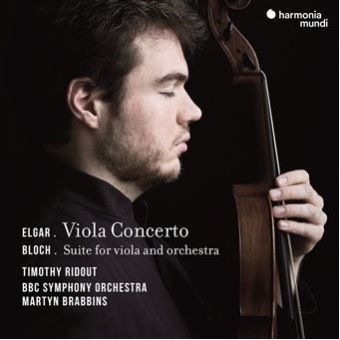
Get ready for an extraordinary musical journey with the remarkable violist, Timothy Ridout, as he showcases Elgar’s Viola Concerto and Bloch’s Suite for Viola and Piano on this captivating CD. Ridout’s mastery and skill breathe new life into these lesser-known pieces, leaving listeners amazed and wondering why they haven’t experienced this musical marvel before.

The adventure begins with Elgar’s Viola Concerto, a rare gem rearranged by the renowned violist Lionel Tertis. Ridout flawlessly interprets Tertis’s arrangement, captivating us with his artful performance. Backed by the BBC Symphony Orchestra, conducted by Martyn Brabbins, the concerto shines as a captivating viola showcase, proving it deserves the spotlight.

Tertis’s respectful reimagining of the concerto, keeping the essence of the original while adjusting solo lines for the viola’s range, impressed Elgar himself, who conducted the premiere in 1930. Ridout’s expert rendition brings out the concerto’s brilliance, from nimble scherzos to poignant Adagios.

But the adventure doesn’t stop there! We delve into the unexplored world of Bloch’s Suite for Viola and Piano, a treasure trove of musical ingenuity. Originally composed for viola and later orchestrated, this suite is a delightful enigma, blending faux oriental themes, romantic grandeur, and daring modern twists.

Ridout, wielding his viola like a magic wand, unravels the Suite’s mysteries, revealing its hidden beauty with every stroke. The third movement, an enchanted nocturne, takes us to ethereal dreams with Ridout’s mesmerizing silvery tones, immersing us in the captivating music.

Elgar’s Viola Concerto and Bloch’s Suite are rare finds on disc, making Ridout’s interpretations even more astonishing. Prepare to join the fortunate few on this uncharted voyage through musical marvels, guided by Timothy Ridout’s virtuosity.

As a thrilling bonus, we encounter the resplendent works of César Franck, brought to life by the talented Alain Altinoglu and the Frankfurt Radio Symphony Orchestra. Franck’s Symphony in D Minor soars with resplendent harmonies, and Le Chasseur Maudit’s symphonic poem paints vivid images. The orchestral interlude from Rédemption pulls at heartstrings with its emotive melodies.

This CD isn’t just a collection of musical pieces; it’s an exhilarating quest into the unexplored wonders of the viola. Timothy Ridout’s enchanting artistry will captivate you until the final notes fade away. So, let the adventure begin, and immerse yourself in this thrilling escapade through the evocative world of the viola. Your ears will thank you, and your soul will be entranced forever.

Barber · Bruch

Barber · Bruch

Emotional Mastery: Barber • Bruch Violin Concertos by Esther Yoo and Royal Philharmonic Orchestra

February 2023
From the very first notes of Bruch’s Violin Concerto No. 1 in G minor, Esther Yoo weaves a spellbinding performance, infusing well-known phrases with yearning intensity and introspective awe. Vasily Petrenko’s masterful direction delicately balances the orchestra, allowing Yoo’s artistry to shine through effortlessly.

Esther Yoo’s interpretation of Bruch’s Violin Concerto No. 1 in G minor immediately captures the listener’s attention with her yearning intensity and introspective awe in the opening recitativos. Petrenko’s handling of the orchestra strikes a delicate balance, skillfully dialing down the cello and bass pizzicatos to create a true piano un poco marcato. Comparisons with other renowned recordings reveal the Royal Philharmonic Orchestra’s finesse, as they embrace the ominous descending minor thirds with controlled power rather than full-throttle forte, setting this rendition apart.

Yoo’s emotional artistry shines through in the slow movement, where she delicately floats the aching phrases with moving tendresse, inviting the listener into a world of half-whispered correspondences. In contrast, other interpretations like Isaac Stern’s display pulsating longing, creating a different but equally captivating experience. In the Adagio appassionato, Yoo brings out a heart-warming radiance, giving new life to this lesser-known gem, and outshining some previous renditions.

Moving on to the Barber Concerto, Yoo’s poetic resourcefulness and thoughtfulness add a fresh perspective, making the work feel more emotionally wide-ranging. While Stern’s rendition is overwhelmingly charismatic, Yoo’s interpretation provides a unique and captivating listening experience. The Royal Philharmonic Orchestra complements her beautifully, displaying glowing finesse, suppleness, and nimble virtuosity in the finale.

The album closes with Yoo’s spirited and indulgent performance in Vieuxtemps’ Variations on Yankee Doodle, where she confidently embraces portamentos and injects her signature flair. While Yoo excels in this piece, it’s worth noting that Itzhak Perlman’s rendition with Samuel Sanders remains a pinnacle of excitement and energy.

In summary, Barber • Bruch: Violin Concertos is a compelling recording that showcases Esther Yoo’s exceptional skills as a violinist, and the Royal Philharmonic Orchestra’s finesse under the baton of Vasily Petrenko. This album is a must-listen for both classical music enthusiasts and those looking to explore these timeless concertos with a fresh perspective.

Schubert – Allegretto D.915

Schubert – Allegretto D.915

Eric Lu’s Artistry Shines in ‘Schubert’

January 2023
Eric Lu’s rendition of Schubert’s piano compositions on his album “Schubert” reveals his virtuosic prowess and profound comprehension of the composer’s emotional depth. Lu’s expertise is evident from the very outset in Schubert’s Sonata D959. He expertly sculpts each phrase, extracting the intricate nuances and complexities of the music. His performance encapsulates Schubert’s introspective and poignant style, immersing the audience in a realm of profound sentiments.

An apex of Lu’s execution lies within the Andantino, where he infuses a chorale-like quality into the music. The depth of his expression is utterly captivating, and the tragic allure he bestows upon this movement is deeply affecting. Lu delves beneath the surface, unearthing the core of the music to convey an intense sense of sorrow and longing.

The album also features Schubert’s Sonata in A minor, composed in 1823. Lu’s decision to pair it with the Sonata D959 provides a fascinating juxtaposition, enabling listeners to traverse Schubert’s evolving compositional style. In the Sonata in A minor, Lu demonstrates his virtuosity and technical finesse, navigating the intricate passages with precision while maintaining a sense of musicality and lyricism.

Lu’s inclusion of the Allegretto in C minor (D915) between the two sonatas serves as an interlude, showcasing his ability to capture the essence of a miniature gem with clarity and grace.

Throughout the album, Lu adeptly navigates the emotional trajectory intrinsic to Schubert’s music. He adeptly traverses the emotional contours of the compositions, underscoring the dichotomy between light and darkness, joy and sorrow. Particularly noteworthy is his interpretation of the Rondo in Sonata D959, where he captures the unexpected introspection that lends depth to the movement.

In summation, Eric Lu’s “Schubert” offers an insightful exploration of Franz Schubert’s piano compositions. Lu’s profound sensitivity and technical brilliance breathe new life into these compositions, allowing audiences to experience the full spectrum of Schubert’s emotions. This album highlights Eric Lu’s stature among today’s preeminent Schubert interpreters and is essential listening for those seeking an immersive and emotionally resonant musical encounter.